
Every class, a different kind of still
Our yoga and other practices
-
Vinyasa
Vinyasa is a dynamic “Yang” style of yoga, where movement flows from pose to pose through varied sequences of asanas, connected by steady breath and Sun Salutations. Each thoughtfully designed class builds strength, endurance, and flexibility while cultivating a focused, present mind. Expect a creative, challenging flow that may explore deeper hip openers, backbends, and inversions, always with attention to alignment and ease. Ideal for anyone seeking a more athletic, faster-paced practice that remains grounded in mindful movement. Recommended for regular yoga practitioners.
-
Hatha
Hatha yoga is a slower, mindful practice that emphasises alignment, stability, strength, and flexibility. Postures are held for several breaths at a time, creating space to refine each shape, build internal awareness, and feel more grounded in the body. Rather than moving quickly from pose to pose, the focus is on steady breathing, clear guidance, and finding both effort and ease within each posture. The measured pace makes Hatha accessible for beginners, while the longer holds and attention to detail offer a rewarding physical and mental challenge for students of every level.
-
Yoga Sculpt
Yoga Sculpt is a Hatha-inspired, strength-building practice that combines mindful yoga postures with light wrist and ankle weights. Moving at a steady, intentional pace, the class builds muscular endurance, stability, balance, and body awareness while leaving space to establish strong alignment in each shape. Expect familiar standing postures, strengthening sequences, and controlled transitions that create warmth without losing the grounded, breath-led quality of traditional Hatha. The added weights offer a playful challenge for the arms, shoulders, legs, and core, while options throughout make this energising practice accessible for all levels.
-
Pilates
Contemporary Matwork Pilates is a 1-hour session bridging classical Pilates tradition and modern biomechanics. Grounded in the six fundamental principles of Pilates, Breath, Centering, Concentration, Control, Precision, and Flow, this class combines the traditional matwork repertoire with contemporary exercise science and fluid transitions. Each session is thoughtfully designed to deepen your mind-body connection, enhance body awareness, and support improved posture. Through precise, controlled movement, you will build a strong, balanced core that supports you both on the mat and in everyday life.
-
Yin
Yin uses gravity and your own body weight to gently work with the connective tissues, supporting flexibility, circulation, and ease of movement. Postures are held in seated or lying positions for up to five minutes, gradually creating space through the fascia, hips, spine, and joints. This slow, meditative practice invites you to breathe through sensation, observe your thoughts, and settle into stillness. Passive, nourishing, and accessible, Yin is suitable for all levels.
-
Yin Yang
Yin Yang blends two complementary energies that show up both on and off the mat. Yang is active, warming, and outward moving, expressed through standing postures and steady, strength-building movement. Yin is slower, quieter, and more inward, using longer holds to invite the body to soften and release. Together, the practice creates space for both effort and ease, strength and surrender. It is a wonderful way to experience two different styles of yoga in one class, and is suitable for all levels, with options offered throughout.
-
Yacht Rock Hatha
Our most beloved class, Yacht Rock Hatha pairs a classic Hatha practice with a soundtrack of smooth 70s and 80s hits. Joyful, grounding, and guaranteed to put a smile on your face, singing along is always optional. Postures are held for several breaths, creating time to refine alignment, build strength, and develop deeper body awareness. Rather than moving quickly through a flow, this practice invites you to slow down, settle in, and find both focus and ease in each shape.
-
Restorative
Restorative yoga is a gentle, fully supported practice designed for deep rest and release. Using bolsters, blankets, and other props, postures are held for 7–15 minutes so the body can soften, the breath can slow, and the nervous system can settle. This is an ideal practice for anyone feeling stressed or tired, or healing from an injury or illness. Accessible for all levels, Restorative offers a quiet space to unwind, restore balance, and leave feeling deeply rested. Offered April–October.
-
Flow Hike
A mindful blend of hiking and yoga on Umbria’s breathtaking trails, suitable for all levels. These two-hour journeys weave long, invigorating walks through rolling hills, ancient olive groves, and quiet woodlands with breath-led yoga pauses for energising stretches, grounding postures, and restorative holds. Along the way, forest bathing and mindfulness invite a deeper connection with the landscape, whether through shared reflection, companionable silence, or guided meditation. Wear comfortable shoes and bring water.
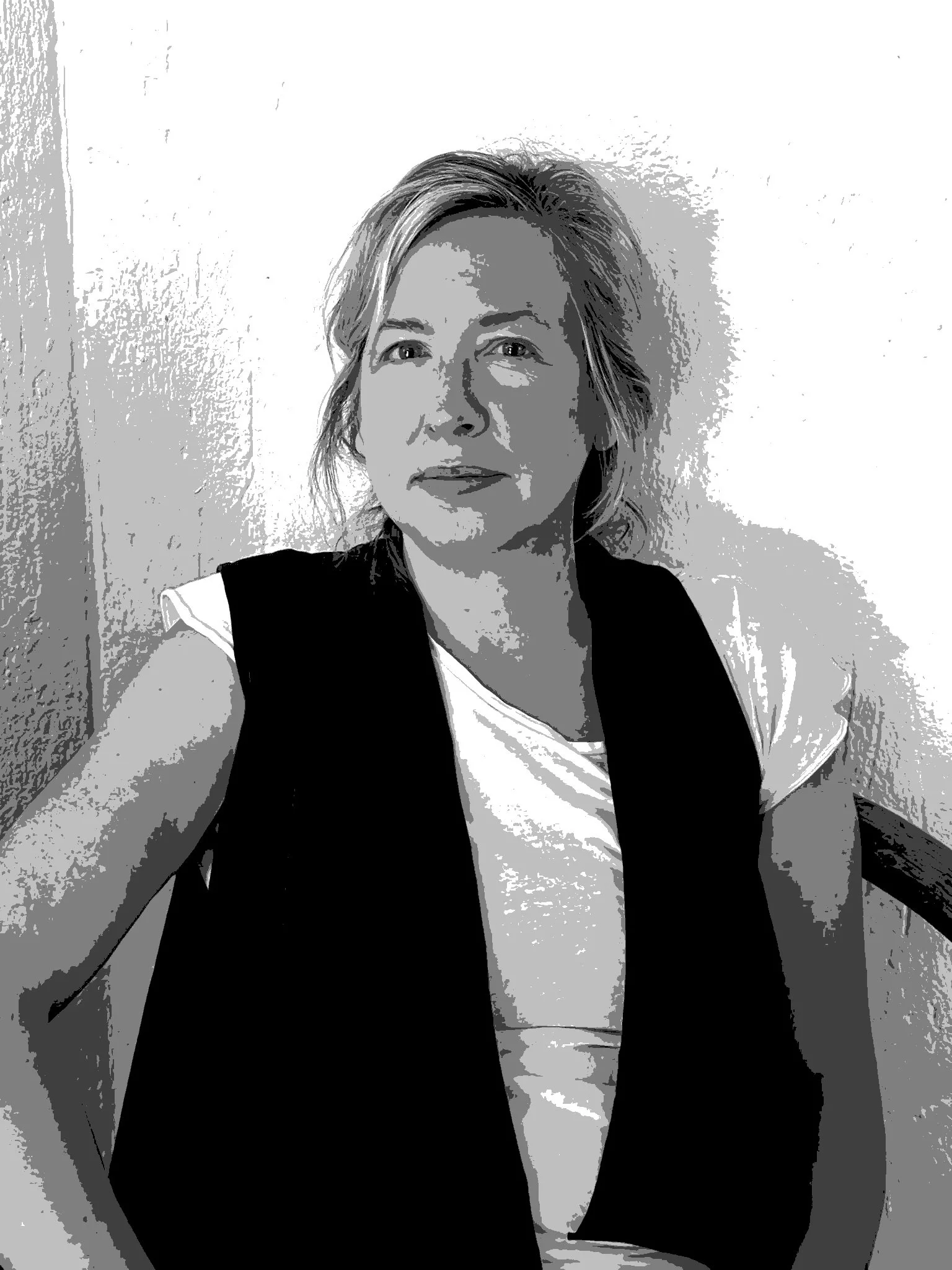
“I believe in using yoga to help balance life’s struggles. It’s not about being really bendy, a vegan, or practising extreme postures. It’s about calming the mind, while strengthening the body, and feeling really good both physically and mentally. True wellness.”
-Jennifer, Founder of Elementyl yoga